Dental Equipment
Choosing the Right Equipment to Reduce Risk in Your Dental Practice
Dentistry Insured by Emery & Webb, Inc. · 11/5/2024
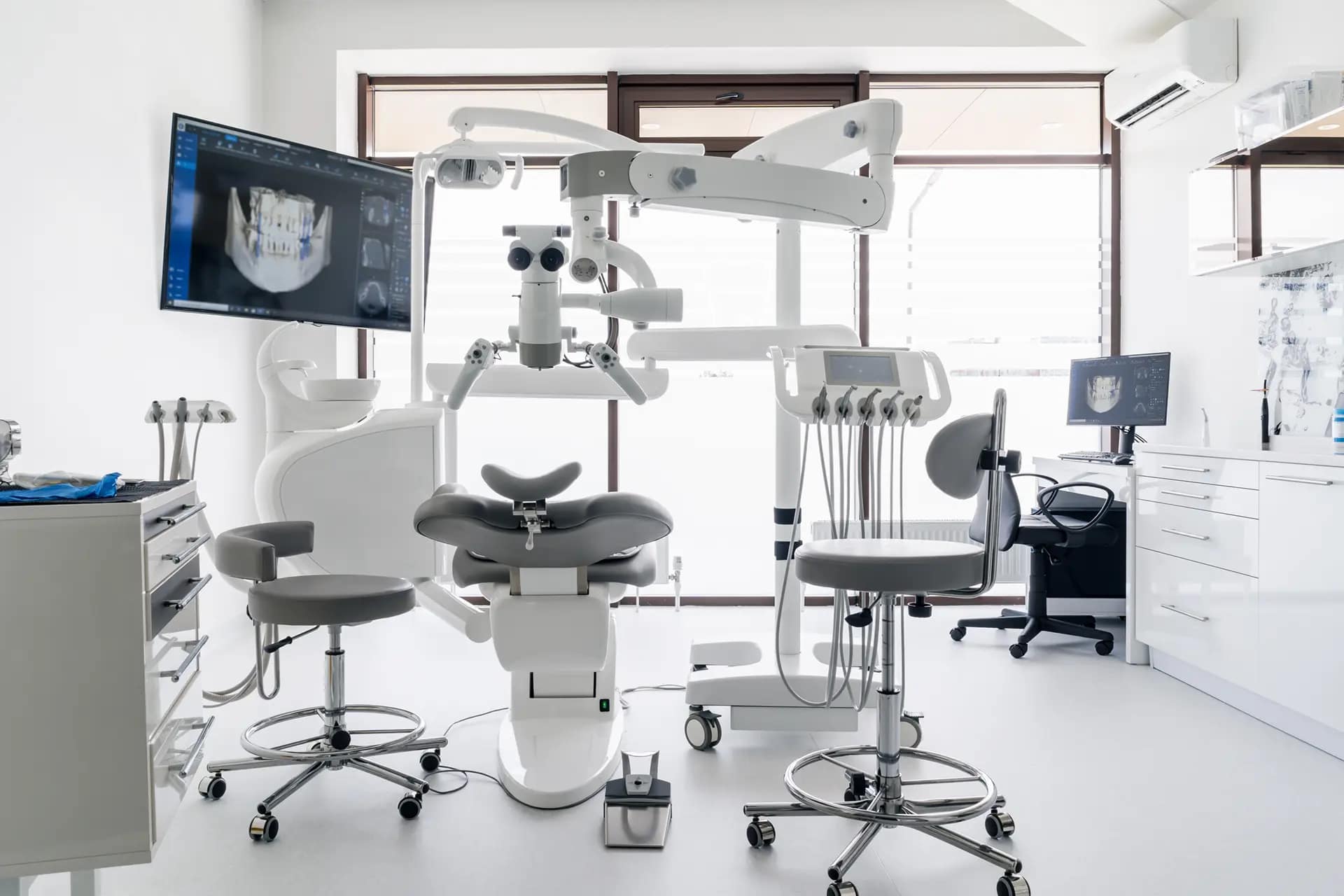
As a dental practice owner, upgrading to new technology and equipment can reduce operational risks while enhancing patient care. By integrating the latest tools, you not only improve the efficiency of your practice but also safeguard its long-term success. Here’s what you need to consider when purchasing new dental equipment to mitigate risks and boost your practice’s quality of service.
1. Assessing the Impact on Patient Care and Safety
New technology offers cutting-edge solutions to improve patient outcomes and reduce treatment risks. For example, digital radiography can significantly lower radiation exposure compared to traditional X-rays. Similarly, advanced sterilization equipment can ensure compliance with infection control protocols, minimizing the risk of cross-contamination.
2. Improving Diagnostic Accuracy and Reducing Liability
With the latest diagnostic tools, such as intraoral cameras and 3D imaging systems, you can detect dental issues early and reduce misdiagnosis risk. Accurate diagnosis lowers the chance of patient complaints or malpractice claims, giving your practice a better safety profile.
By investing in diagnostic precision, you not only reduce clinical risks but also increase patient trust and satisfaction.
3. Maximizing ROI Through Enhanced Efficiency
Purchasing new dental equipment can seem like a significant investment, but the return on investment (ROI) can be worth it when you consider improved efficiency, reduced downtime and lower maintenance costs. Updated tools are generally more reliable, meaning fewer interruptions during patient care and less money spent on repairs.
For instance, upgrading to an all-in-one digital chair system may streamline procedures, reduce patient time in the chair, and increase the number of patients you can see in a day. This increases both revenue and patient satisfaction, as faster service often leads to better reviews and more referrals.
4. Lowering Employee Injury Risk with Ergonomic Tools
Ergonomics play a crucial role in reducing work-related injuries among dental staff. The repetitive nature of dental procedures can lead to musculoskeletal issues in the hands, neck, and back. Upgrading to ergonomically designed dental chairs, handpieces, and operator stools can significantly reduce the risk of these injuries, improving overall staff well-being and productivity.
5. Complying with Regulatory Standards and Reducing Legal Risks
One of the biggest risks in any medical field is non-compliance with regulatory standards. Modern equipment comes with built-in features to help you meet the latest safety and compliance requirements. For instance, new sterilization technologies automatically track and document each cycle, ensuring that you’re meeting infection control standards as required by organizations like the CDC.
Staying up-to-date with these requirements minimizes legal risks, protecting your practice from penalties or lawsuits.
6. Financing Options for Risk-Reduction Investments
While the upfront cost of new dental equipment can be daunting, various financing options are available to make the purchase easier. Many manufacturers offer 0% interest financing for a limited period, allowing you to invest without incurring significant debt. Additionally, speaking with your CPA about Section 179 tax deductions can help reduce your overall tax liability.
Before making your decision, ensure that you fully understand the terms of financing and how quickly you can pay off the balance. This foresight will prevent financial strain while keeping your practice equipped with the best tools to mitigate risk.
Conclusion
Investing in new dental equipment is one of the most effective ways to reduce risk, improve patient care, and increase your practice’s operational efficiency. When done strategically, these purchases can offer long-term benefits, not only improving day-to-day operations but also ensuring that you stay competitive and compliant in the ever-evolving dental industry.